

Best Camera for Photography in 2026
- Emma Thornton

- Jul 1
- 2 min read
In 2026, the Best Camera for Photography is not defined by one model but by how each excels in its field. Portraits demand tonal subtlety, sports require speed, nature thrives on dynamic range, and automotive photography calls for precision in motion.
Below is a breakdown of the leading cameras and why they stand out.
Best Camera for Portrait Photography:
Canon EOS R5 Mark II – Its 45MP full‑frame sensor delivers exceptional clarity, while eye‑control autofocus ensures subjects remain sharp. The color science is tuned for natural skin tones, making it a staple in fashion editorials.

Fujifilm GFX100S II – With a 102MP medium format sensor, this camera produces images with unrivaled detail and tonal depth. It’s slower than full‑frame rivals, but for luxury campaigns and fine art, it sets the benchmark.

Best Camera for Sports Photography
Canon EOS R1 – Built for speed, it achieves up to 120 fps continuous shooting. Its advanced subject tracking locks onto athletes even in chaotic environments, making it indispensable for professional sports photojournalists.

Sony Alpha 1 II – A hybrid powerhouse with a 50.1MP sensor, capable of 30 fps bursts and 8K video. It balances high resolution with speed, appealing to professionals who need both stills and cinematic output.
Nikon Z9 – Featuring a stacked CMOS sensor and blackout‑free EVF, it delivers 120 fps bursts with rugged reliability. Its durability makes it a favorite for press and action shooters.

Best Camera for Nature Photography
Sony Alpha 7R V – With 61MP resolution and exceptional dynamic range, it captures landscapes with breathtaking detail. Its AI‑driven autofocus system excels at tracking wildlife.
Nikon Z8 – Lightweight yet powerful, it offers superb autofocus for birds and fast‑moving animals. Its portability makes it ideal for fieldwork.

Canon EOS R5 C – A hybrid stills and cinema camera, perfect for nature documentaries. It combines high‑resolution photography with cinematic video capabilities.
Best Camera for Automotive Photography
Sony Alpha 9 III – Known for its high‑speed shooting and flawless tracking, it captures cars in motion with precision. Ideal for motorsport and automotive editorials.
Canon EOS R3 – With a 24MP stacked sensor and excellent low‑light performance, it shines in night shoots and dynamic automotive storytelling.

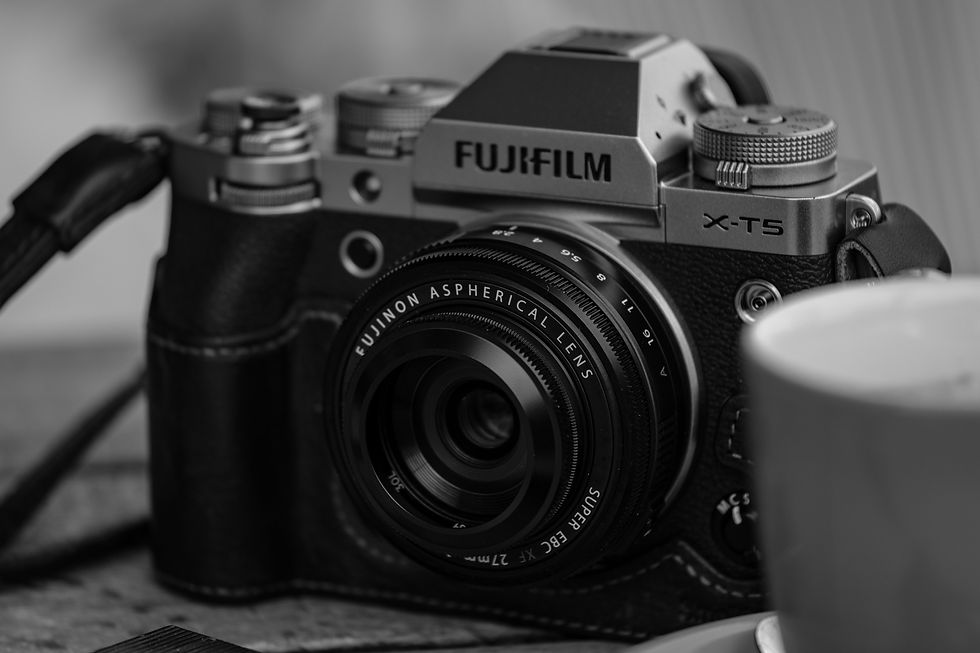
Fujifilm X‑T5 – Compact and versatile, with film simulations that add character to automotive campaigns. It’s favored by creatives who want a distinctive visual style.
Conclusion
The Best Camera for Photography in 2026 depends on the subject. Canon and Fujifilm dominate portraits with artistry and detail, Canon, Sony, and Nikon lead sports with speed and resilience, Sony and Nikon excel in nature with dynamic range and portability, while Canon and Fujifilm bring creativity to automotive shoots. For professionals, the choice is not about one “best” camera but selecting the right tool to translate vision into image.


