

Cultural Influences in Men’s Style
- Emma Thornton

- Jun 21
- 1 min read
Updated: Jun 22

Global traditions shaping modern menswear
Textiles and techniques
Traditional textiles - ikat, kente, handloom cotton, indigo dyeing - bring distinct textures and narratives to menswear. Designers who collaborate with artisans often adapt these techniques into contemporary silhouettes, preserving craft while creating new contexts for use.
Silhouettes and adaptation
Silhouettes migrate across geographies: the drape of South Asian garments influences relaxed tailoring; Japanese workwear informs utility aesthetics; Mediterranean linen traditions shape summer suiting. Successful adaptation respects proportion and function while acknowledging origin.
Collaboration and ethical exchange
Meaningful cultural exchange involves partnership. Designers who credit artisans, share profits, and support local economies create sustainable models. Conversely, appropriation - extracting motifs without context or compensation - remains a persistent critique.
Editorial and styling approaches
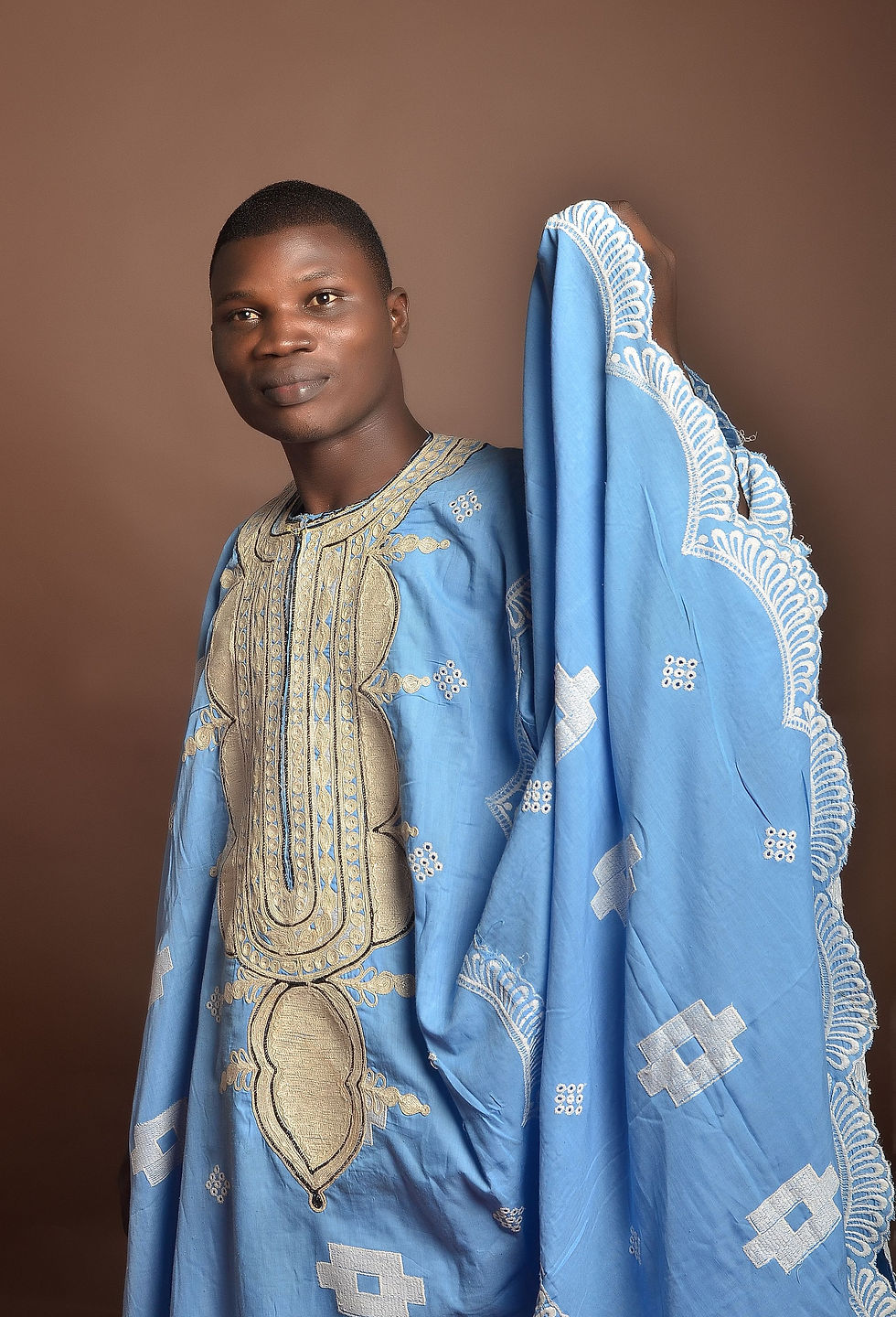
Editorials that explore cultural influence foreground provenance: captions, maker credits, and process images contextualize garments. Styling that pairs traditional elements with contemporary tailoring highlights continuity rather than pastiche.
Conclusion
Cultural influences enrich menswear when treated with curiosity and care. The most compelling work honors origin, supports craft, and creates garments that speak to both heritage and modern life.


