

Emotion in Portraits
- Clara Jennings
- Jun 21
- 2 min read
Updated: Jun 22
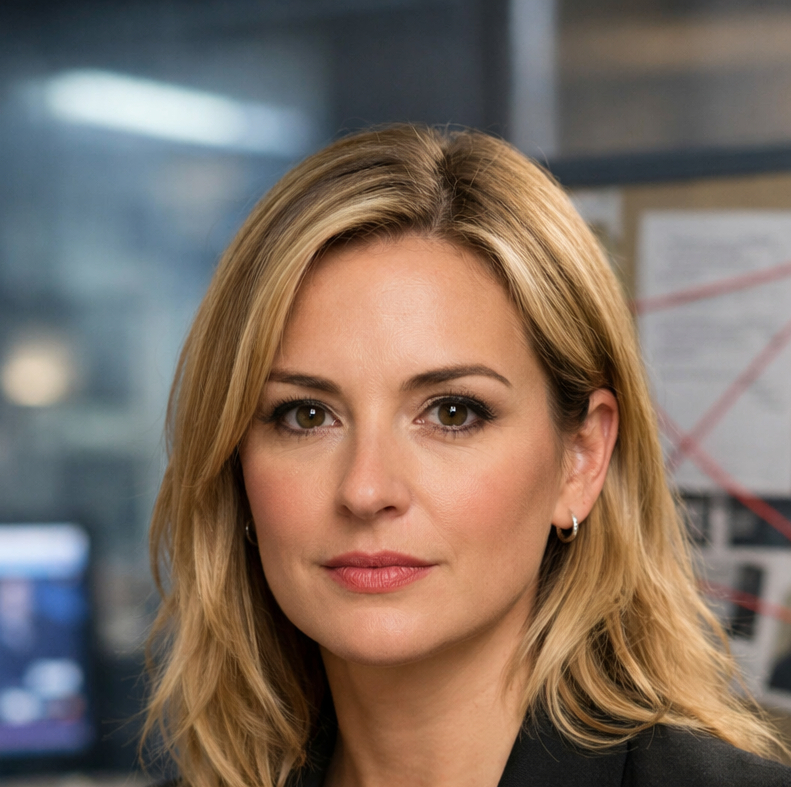
Emotion in portrait photography is what separates a technically correct image from a truly unforgettable one. While sharpness, lighting, and composition matter, it is emotional depth that gives a portrait its lasting impact. The most powerful portraits are not about perfection - they are about truth.
At its core, emotional portrait photography is about capturing vulnerability. This can mean a subtle glance away from the camera, a tear held back, a moment of laughter that breaks composure, or even silence in expression. These unguarded moments reveal the subject’s inner world, allowing viewers to connect on a deeply human level.

One of the most important tools in achieving this is trust between photographer and subject. Without trust, expressions remain guarded and artificial. Photographers often spend time talking with their subjects before shooting, creating a relaxed environment where authenticity can surface naturally. This is why many of the most iconic portraits feel more like conversations than staged images.
Lighting also plays a crucial role. Soft, natural light tends to enhance emotional depth, while harsh lighting can be used to emphasize tension or discomfort. Shadows are not just technical elements - they become emotional tools that shape mood and narrative.
Composition further strengthens emotional storytelling. Tight framing can create intimacy, making the viewer feel close to the subject’s thoughts and feelings. On the other hand, wide framing can emphasize isolation or detachment, depending on context.
In modern photography, emotional portraiture has become increasingly important due to the rise of digital culture. In a world of curated social media images, raw and imperfect portraits stand out because they feel real. They resist artificiality and invite viewers into a more honest space.
Ultimately, emotional portrait photography is not about controlling the subject - it is about observing them at their most human. The best portraits do not just show what a person looks like; they reveal who they are in a fleeting, unrepeatable moment.


