The Psychology of Empty Luxury Stores
- Emma Thornton

- Jul 1
- 2 min read
Step into a luxury boutique and you’ll notice something striking: silence, space, and an almost theatrical emptiness. Unlike fast-fashion retailers bursting with racks and restless crowds, luxury houses curate an atmosphere where absence itself becomes a symbol of prestige. This is not accidental; it is psychology at play.
The Psychology of Empty Luxury Stores
Luxury brands understand that scarcity is not only about limited products but also about controlled environments. An empty boutique communicates exclusivity, suggesting that only a select few are worthy of entering. The absence of crowds reinforces the idea that luxury is not for everyone, it is for -the discerning, the patient, and the privileged.

Space as a Status Symbol
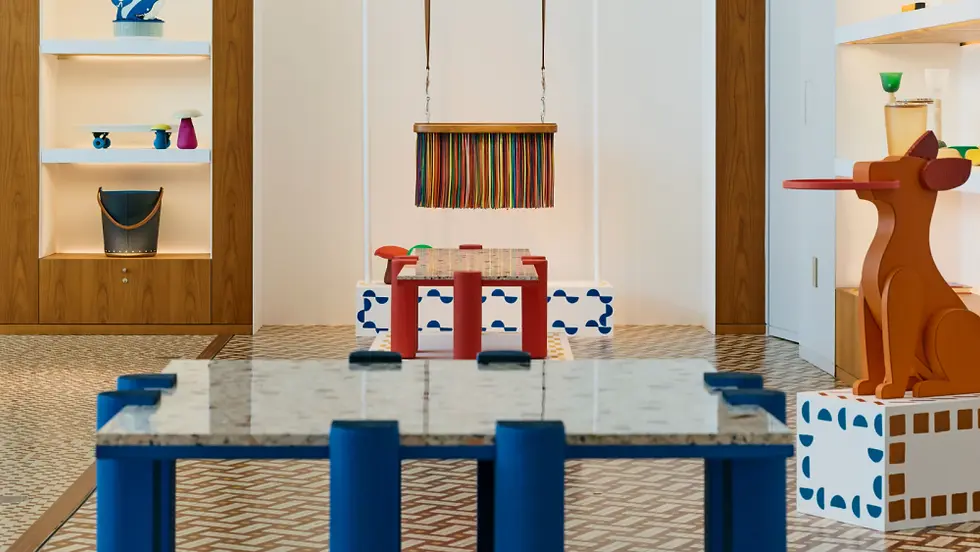
Minimalism in store design is more than aesthetic; it is a coded message. Wide aisles, sparse displays, and quiet interiors create a gallery-like experience. The customer is not just shopping - they are participating in a ritual of refinement. In this context, emptiness becomes a luxury in itself, contrasting with the chaos of mainstream retail.
The Emotional Impact on Shoppers
Psychologically, the emptiness of luxury boutiques elevates the shopper’s sense of importance. When a client enters a store that feels curated for them alone, the brand achieves its ultimate goal: making the customer feel singular. This emotional manipulation is subtle yet powerful, reinforcing loyalty and justifying high price points.

Conclusion
Empty luxury stores are not a failure of foot traffic - they are a triumph of strategy. By embracing emptiness, luxury brands transform silence into status, space into symbolism, and scarcity into desire. The psychology of empty luxury stores reveals that sometimes, less truly is more.